Since Pakistan announced a ceasefire on 8 April between Iran and the United States, with Israel accepting the arrangement, one debate has remained central: is this ceasefire meant to open a political track, or is it simply a pause to rebuild military strength? The ceasefire is real, but the military picture since then leaves that question very much open. [1]
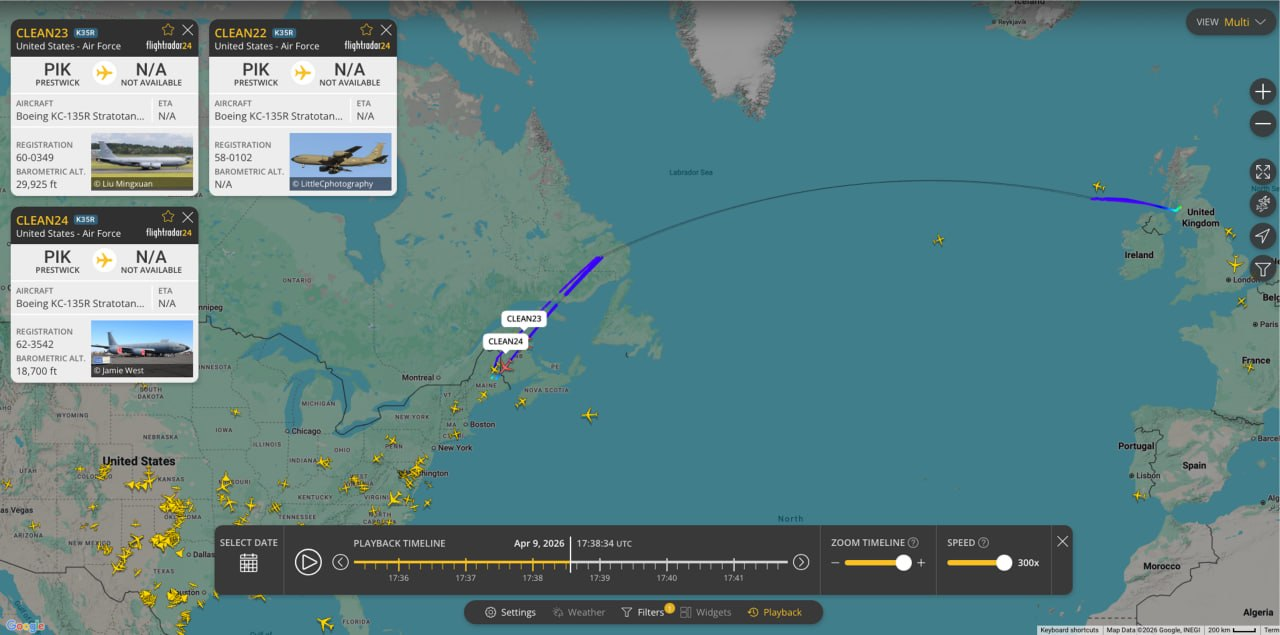
What is clear is that the U.S. has not meaningfully reduced its broader force posture in either CENTCOM or EUCOM. On 9 April, five tankers with the callsigns CLEAN21–24 and one additional unidentified tanker moved back toward the United States. Although these aircraft had earlier been used in the February buildup that helped move fighters into EUCOM, their route patterns this time did not show the kind of air-refueling profile that would clearly indicate fighter aircraft returning to the U.S. Based on the available open-source movement data, this does not look like a visible drawdown.
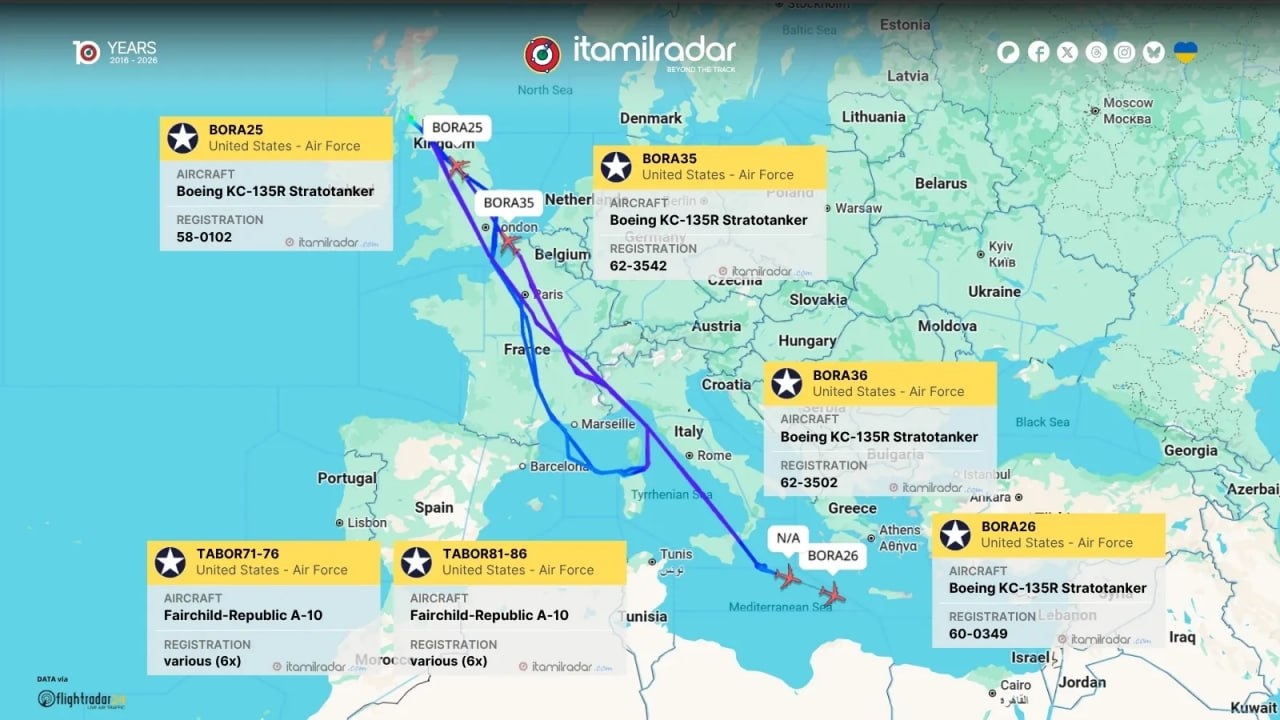
More strikingly, on the morning of 8 April, only hours after the ceasefire, the U.S. moved 12 A-10 aircraft toward the Middle East. Open-source flight tracking reported this redeployment, and while that alone is not proof of imminent escalation, the timing is notable. The A-10 is strongly associated with close air support and ground-operation support, which is not the clearest signal of a force preparing to step back. [2]
The naval picture points in the same direction. The USS George H.W. Bush Carrier Strike Group departed Norfolk on 31 March on a scheduled deployment, and its movement eastward has continued through the ceasefire period. Based on open-source tracking, it was last seen in the central Atlantic on 6 April, while one of its Arleigh Burke-class destroyers had already passed Gibraltar on 3 April. The USS Boxer Amphibious Ready Group also departed from the Pacific and reached Pearl Harbor at the end of March before continuing westward. At this stage, exact arrival windows still depend on when these groups pass chokepoints such as Gibraltar and the Strait of Malacca, but the broader pattern is difficult to ignore: the U.S. is still moving military assets toward the wider theater, not away from it. [3][4]

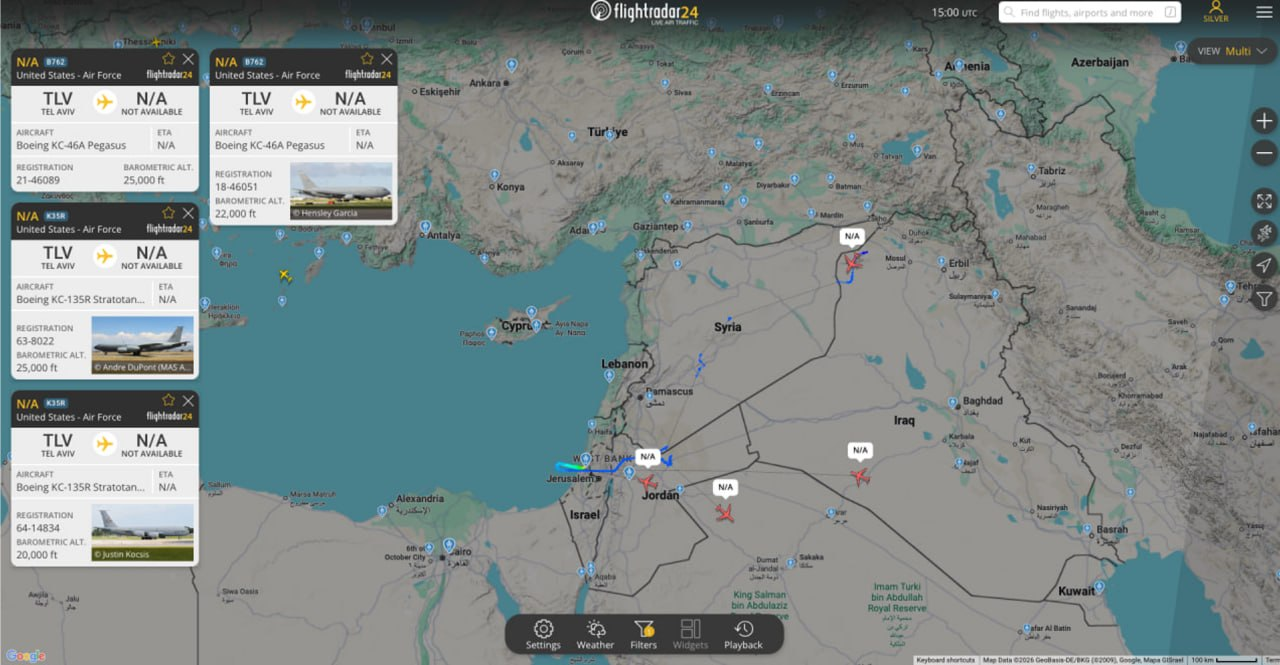
The air picture also suggests that U.S. and Israeli forces are still continuously monitoring the situation. Air-refueling tankers have continued flying in and around the area, which may indicate that fighter aircraft are still conducting surveillance, patrol, or contingency sorties, even if the full operational picture is not visible from open-source data alone. This does not by itself prove offensive action, but it does show that the skies remain militarily active rather than quiet.
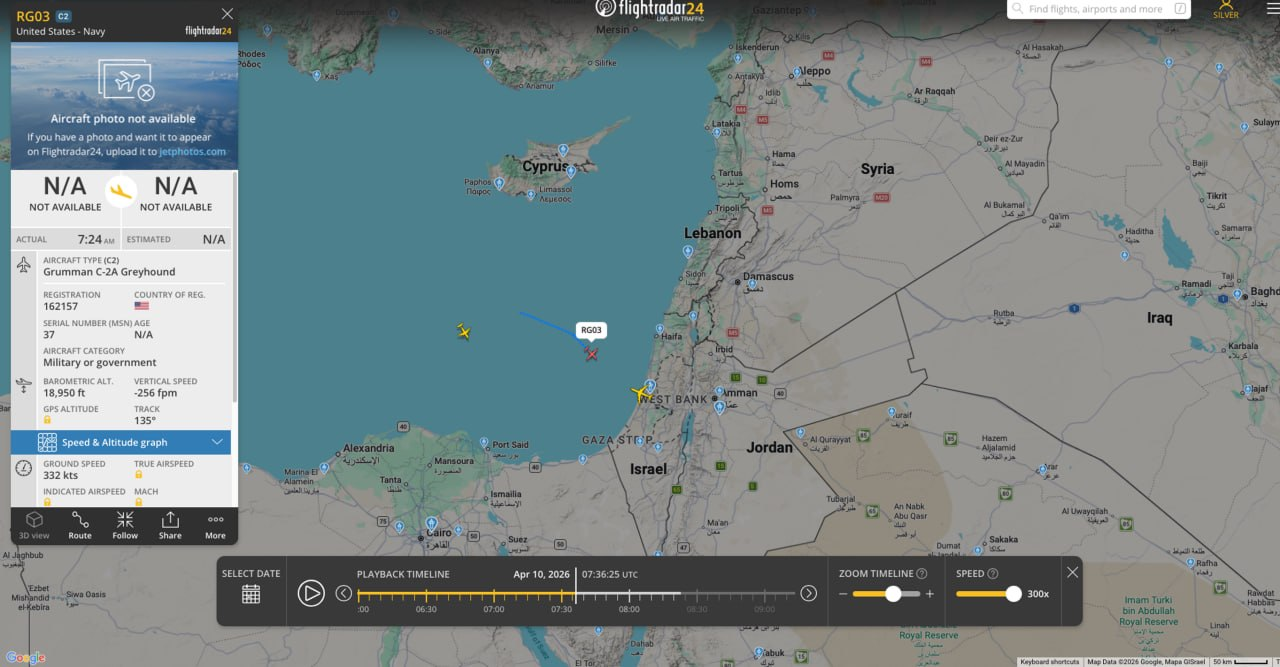
There is also an eastern Mediterranean angle. Based on open-source tracking, Ford appears to be back in the eastern Mediterranean, and an aircraft identified as RG03, a Grumman C-2A Greyhound assigned to Ford, has reportedly been spotted there. If correct, that would reinforce the picture that major U.S. naval aviation assets remain positioned for rapid use rather than withdrawal.
The surveillance picture around Hormuz is also telling. A MQ-4C Triton drone was observed monitoring the Strait of Hormuz on 8 and 9 April, especially the eastern side of the strait. Then yesterday, it reportedly lost altitude over the Persian Gulf and may have been shot down. There is still no official U.S. confirmation of that last point, so it remains unverified. But even without confirming the cause, the reported flight pattern itself is consistent with continued surveillance during the ceasefire.
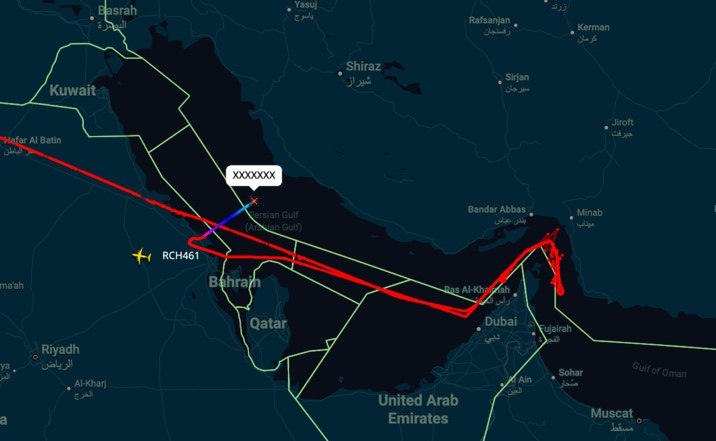
So the central question remains unanswered, but the military evidence points in one direction: this does not yet look like a ceasefire followed by demobilization. It looks more like a pause in active fighting while key actors hold position, reinforce, monitor, and keep options open. If this ceasefire were already turning into a genuine political process, we would expect to see clearer signs of force reduction. So far, that is not what the open-source picture shows.
References:
[1] Reuters
[2] ItaMilRadar
[3] U.S. Navy
[4] USNI News